
Sa Đéc Brick Kiln: Memories of a Riverside Industrial Era
(fme.travel)Along the small canals around Sa Đéc, old brick kilns still stand silent amid the alluvial hue and the growing grass. There was a time when they glowed with fire day and night, feeding an entire land through the brick-making craft and creating the distinctive skyline of the southwestern region. Today, as many kilns have ceased operating, those old vaulted roofs are not only traces of a craft village, but also memories of a riverside industrial era - where the techniques and lives of the Vietnamese, Chinese, Cham and Khmer once met and together created a heritage all Sa Đéc's own.
A craft that built a whole region
Before becoming famous for flowers and gardens, the riverside land along the Tien River around Sa Đéc was shaped by something far humbler: clay. From around the 1970s, the traditional brick-and-tile craft was closely bound to a whole stretch of the southwestern region, including kilns scattered around Sa Đéc and, further away, the An Hiệp brick village (Châu Thành district, Đồng Tháp), a craft village that has existed for more than half a century.
Demand for building materials across the region created a local industry that quietly supported development, smoking day and night, producing hundreds of thousands of 'thousand-brick' units for the region and even for export to Cambodia. Just across the river, in Mang Thít (Vĩnh Long), an even larger complex of more than 500 kilns side by side has been dubbed the 'Kingdom of Brick Kilns' - the only place in the Mekong Delta to preserve a whole craft village intact. The Sa Đéc brick kilns, though more modest in scale, remain an inseparable piece of that whole brick-and-tile belt.
The craft developed along both riverbanks, where transporting raw materials and finished products by water became more convenient than ever. Over time, brickmaking became not just work but part of the town's identity, tied to the rhythm of labour and the flow of the river.
Where four peoples meet
The most special thing about Sa Đéc's brick kilns lies not only in their scale, but in the very building technique - a rare blend of four peoples. 'These kilns carry the cultural crossing of four peoples: the Vietnamese, the Chinese, the Cham and the Khmer,' shared someone bound to the craft.
The Vietnamese were long familiar with brickmaking techniques for building works in Huế and the North. The Cham brought a construction style close to their characteristic Cham towers. The Khmer specialised in using clay, moulding each brick. The Chinese, very skilled in business, were often the owners who developed these kilns to a much larger scale.
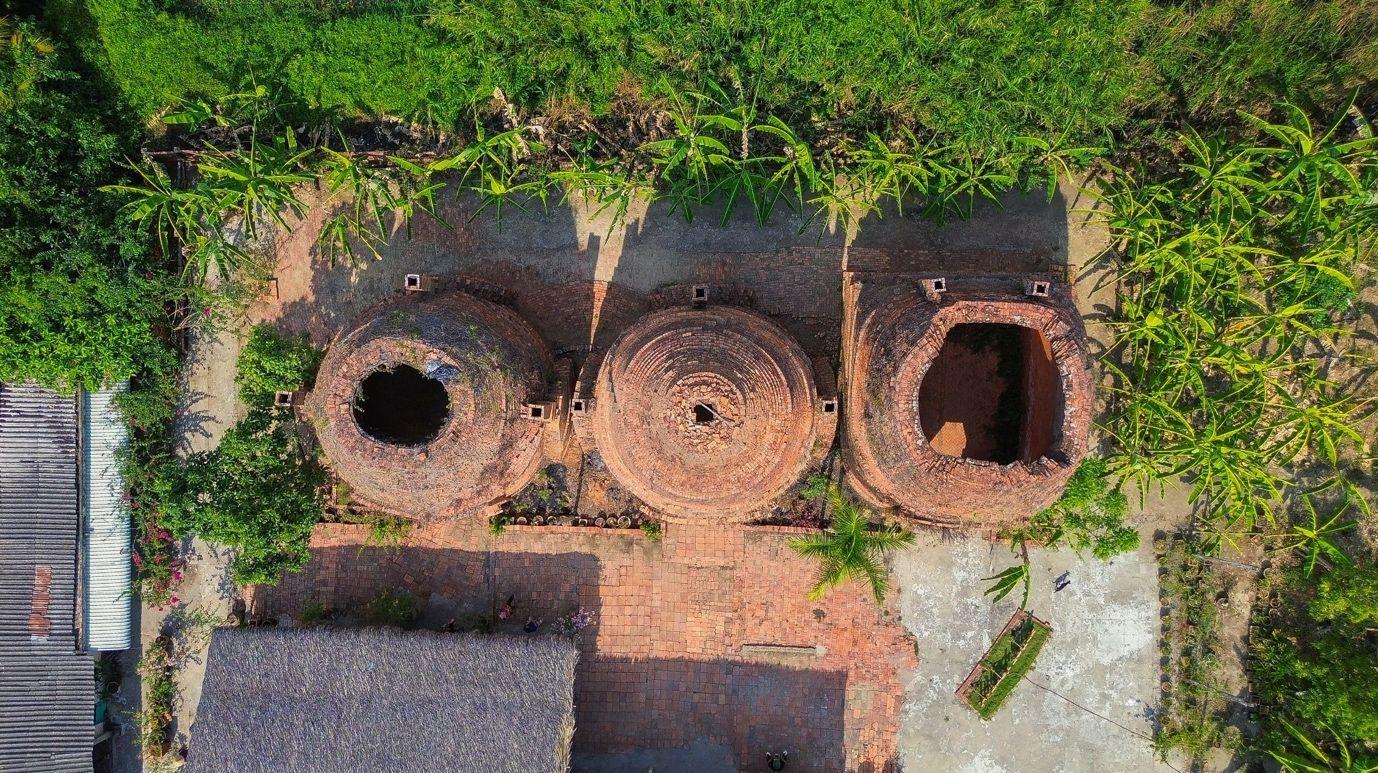
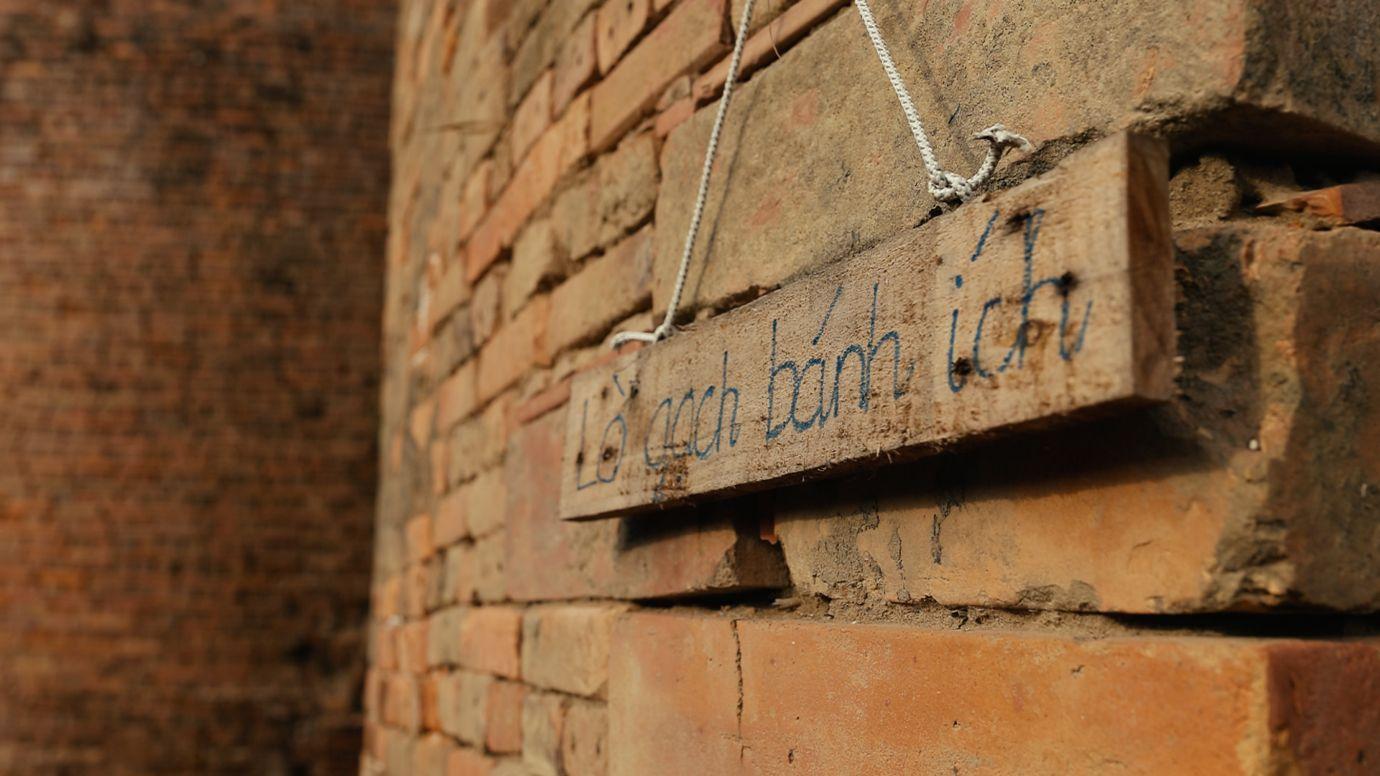
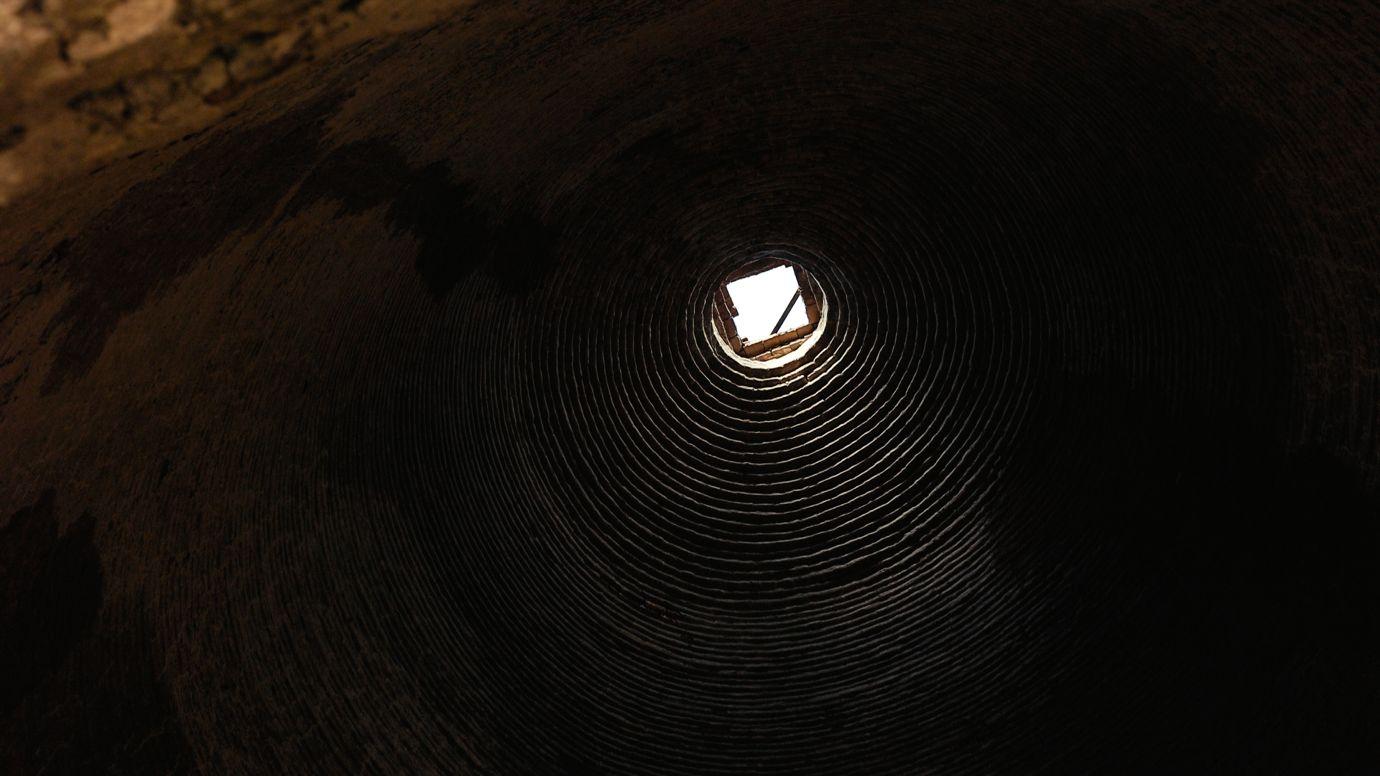
In the middle of the kiln complex, the 'bánh ít' kiln remains intact to this day, while the two kilns on either side are given a very particular local name: 'eastern skylight' (giếng trời phương đông), where natural light shines straight down onto the stacks of bricks drying inside.
Inside the brickmaking process
The brickmaking process begins with clay taken right by the river, shaped by hand or with simple tools, then dried under the harsh Mekong sun. Not every brick takes shape easily - weather, humidity, all must be carefully calculated. The kilns themselves are an impressive feat of engineering: round in form, vaulted, with an internal diameter of 6.3 to 8.1 metres and a height of 9 to 13.5 metres, while the surrounding wall is up to 1.8 metres thick at the base, tapering to about 0.9 metres at the top - enough to hold heat steady through many days of continuous firing.
Firing time for hollow bricks and solid bricks lasts from 20 to 30 days, running continuously day and night without pause. A working day is divided into four shifts of six hours each, so workers can take turns working and resting reasonably.
Temperature, airflow and timing must all be closely watched throughout the firing. This is knowledge recorded in no book, passed on through practice, from one worker to another, over decades.
From production to memory
As modern building methods changed and new materials appeared on the market, Sa Đéc's traditional brickmaking craft gradually declined. Many kilns no longer operate, but their structures and memory remain intact, standing silent beside the river.
Some kilns, such as those at Hoa Sen Homestay, have found a new role: shifting from production to preservation. They become places where visitors can step in, observe up close, and reflect on what once took place in that space.
This transformation completely changes how people experience the space. It is no longer about output or productivity, but about understanding. The brick kilns become a way to connect with the past - not through exhibited artefacts, but through the very real space where the story once happened.

Experience the Sa Đéc brick kilns with FME Travel
FME Travel suggests visiting Hoa Sen Homestay by boat, to fully sense how the red brick kilns appear from afar, standing tall beside the river like witnesses of a bygone era. Mr. Thắng and the team here are ready to share more about the history and the unique building technique of the kilns.
The ideal time to visit is the afternoon, when the sunlight slants through the eastern skylights, creating striking streaks of light inside the kiln. Take time to step inside an intact brick kiln, to feel the space that once held the heat of fire for dozens of days on end.
The Sa Đéc brick kilns: when fire and earth built a land
The Sa Đéc brick kilns represent more than a bygone industry. They reflect a stage of development shaped by labour, by creativity under limited conditions, and by the enduring bond between people and the land they live on.
Today, they offer a different value: inviting travellers to slow down, look beyond the surface, and understand the people who once stood behind every brick they see today.
An invitation from Sa Đéc
Standing by the river, the brick kilns still quietly carry the weight of time, telling the story of a land once built with fire and earth, with the labour of four peoples joining hands.