
Tư Tôn Rose Garden: Where the Story of the Flower Village Began
(fme.travel)Every great story begins from a small seed. For the Sa Đéc flower village, that seed was sown in the garden of Mr. Tư Tôn, where more than a hundred varieties of French roses first took root on the land along the Tien River nearly seventy years ago. From a family garden, this place gradually became the starting point of the Sa Đéc flower village's history, opening the journey that would make this small Mekong town known as the 'flower capital' of the Mekong Delta.
A man who loved flowers
The story of the Tư Tôn rose garden began in the late 1940s, when Sa Đéc was not yet known as the flower capital of the Mekong. The man behind the garden was named Dương Hữu Tài (1926–2005), but locals fondly called him by a familiar name: Mr. Tư Tôn - the man who would later be seen as one of the founders of the Sa Đéc flower village's history.
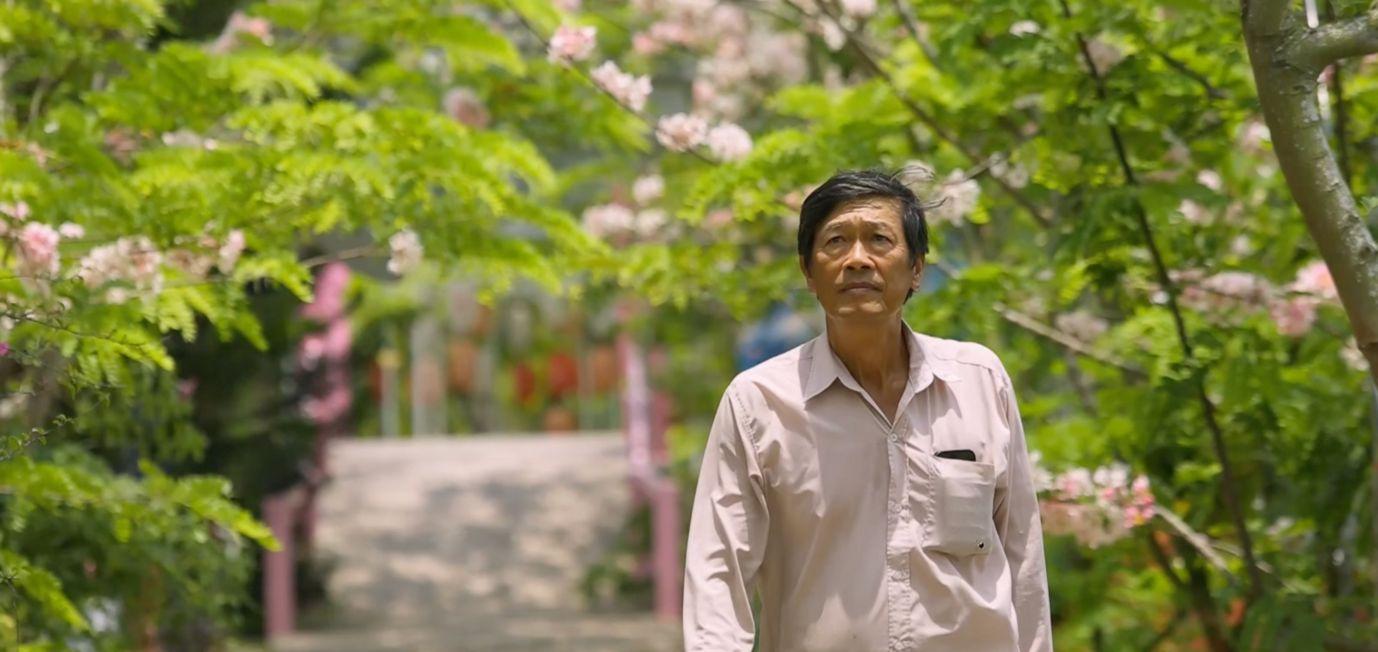
According to family records, around 1949–1950, Mr. Tư Tôn worked as a tenant farmer for a landlord who loved roses. On one occasion, when the landlord brought back beautiful French rose varieties to try growing, he recognised Mr. Tư Tôn's special passion for the plant and gave him those precious roses. From a few initial French rose bushes, the small riverside garden gradually became the seedbed for the entire later development of the Sa Đéc flower village.
At that time, growing flowers in Sa Đéc was still very simple, mostly familiar native varieties. No one imagined that the modest passion of a farmer could give rise to a craft village that would last for generations. As the family still recounts, it was a story of 'the times making the hero,' when a chance encounter brought French roses to take root on Sa Đéc soil and changed the history of this land.

A hundred rose varieties across the ocean
After the success of the first rose bushes, Mr. Tư Tôn went on to bring back around a hundred French rose varieties to trial in Sa Đéc. According to family accounts, these came from various chance opportunities - including the story of the owner of Sa Đéc's famous Sa Giang prawn-cracker factory, who on a trip to France brought him even more precious rose varieties. Passed down over generations, these details have gradually become a fascinating part of the history of the Tư Tôn rose garden and the Sa Đéc flower village.
At that time, bringing French roses to grow in the humid tropical climate of the Mekong Delta was a bold decision. The great differences in soil and weather meant not every variety could adapt. Of the roughly one hundred varieties brought back, only nearly half could take root and thrive on Sa Đéc soil.
Behind that number lie many years of trial, failure and patient selection. It was Mr. Tư Tôn's perseverance that laid the first bricks for the making of the Sa Đéc flower village - which would later become one of the most famous flower-growing regions in the southwestern region.
From Sa Đéc to the Saigon flower market
Around 1958–1959, the French rose varieties that had successfully adapted at the Tư Tôn rose garden began to be brought up to Saigon to sell for Tết. Boats carrying flowers from Sa Đéc then appeared at famous flower markets such as An Đông Market, Nguyễn Trãi Street and the Petrus Ký area - where the most discerning flower lovers of the day gathered.
Among the familiar stalls, the roses from Sa Đéc quickly drew attention with their different colours and forms. For many flower lovers in Saigon at the time, it was hard to believe that roses of such European appearance could be grown successfully in the southwestern region.
From that initial curiosity, more and more people made their way to Sa Đéc to see with their own eyes the garden that had produced those roses. And it was from those upstream journeys that the reputation of the Sa Đéc flower village began to spread widely. From one flower-loving man's garden, this place gradually became the starting point for an entire land bound to flower growing for generations.
The golden age, and the years of decline
The period from 1990 to 2005 is considered the most brilliant era of the Tư Tôn rose garden. The garden was then famous throughout the Mekong and became a stop for many artists, researchers, landscapers and flower-loving travellers from everywhere who came to Sa Đéc. In the days before Tết, it could welcome several thousand visitors a day - a particularly large number for Sa Đéc tourism at the time.
The family's guestbook still preserves the writings of visitors across the eras. Notably, in 1997, French President Jacques Chirac, during his visit to Vietnam, also visited the Tư Tôn rose garden and left a note - a symbolic link between the French roses of old and the Sa Đéc land where they took root.
But with time, many old rose varieties gradually faded due to climate change, market shifts and the shrinking of traditional gardens. Even so, for many Sa Đéc residents, the Tư Tôn rose garden is not only a flower garden, but the place where the memory and history of the whole Sa Đéc flower village began.
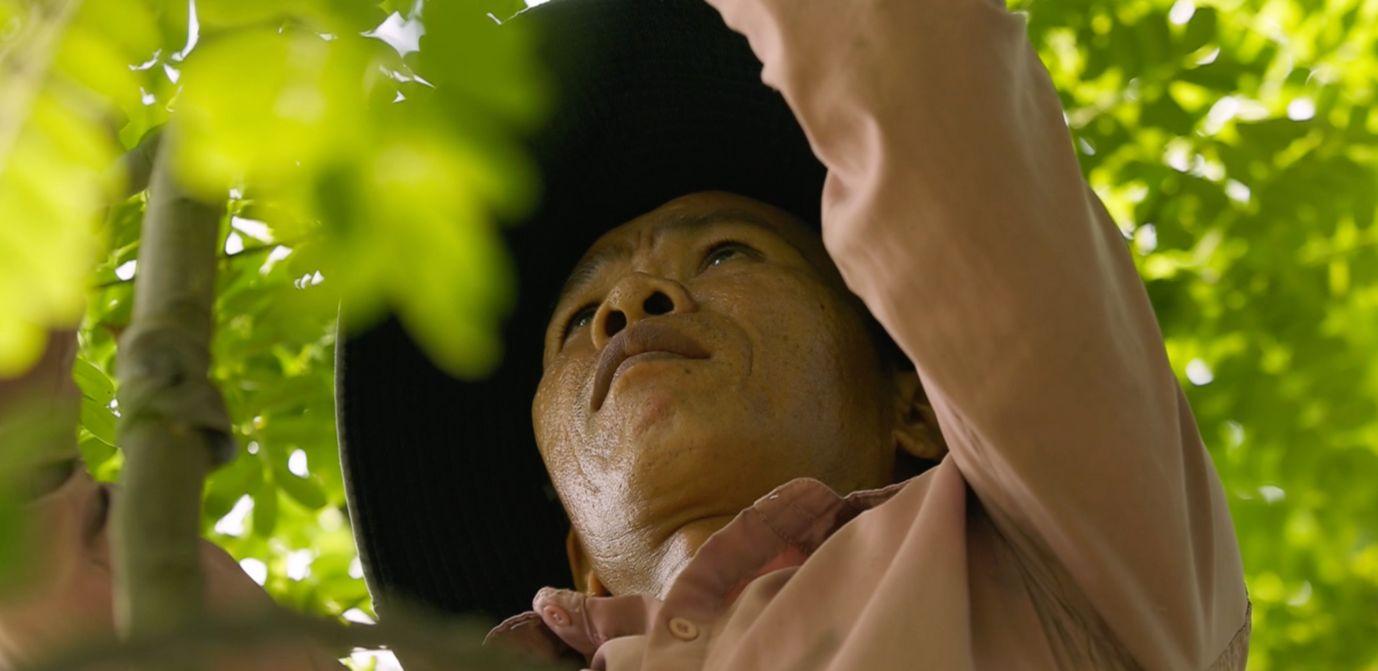
But every glory eventually settles. After Mr. Tư Tôn passed away, the garden entered a long period of decline, no longer under the hand of the founder who once tended each rose bed.
It was not until 2020 that his children and grandchildren decided to restore the garden - not only to run a tourism business, but to preserve a brand, a family heritage tied to the reputation of the whole Sa Đéc flower village. 'We want to promote and keep the old man's brand,' one grandchild shared, 'and then promote the growing foundation of that plant - this garden, this village started from there.'
Experience the Tư Tôn rose garden with FME Travel
FME Travel suggests visiting the Tư Tôn rose garden as a slow starting point in your journey to explore the Sa Đéc flower village - not only to admire the rose beds remaining after many ups and downs, but to understand why a small riverside garden could begin the entire history of a land bound to flowers for generations.
If you have the chance, take time to sit and talk with the descendants of Mr. Tư Tôn's family, who still quietly tend the garden and the memory of the man who once brought French roses halfway around the world to Sa Đéc. Through their stories, old photographs, or the time-faded guestbook, visitors can feel more clearly something hard to see with the eyes: how a simple passion can quietly change the fate of an entire land.
Among the many check-in spots of today's flower village, the Tư Tôn rose garden still carries a different feeling. There, people walk not only among the flower beds, but also through the memory of Sa Đéc - where every story of the flower village seems to begin from a small garden and a man who loved flowers.
The Tư Tôn rose garden: when a love becomes a craft
The story of the Tư Tôn rose garden does not stop at a garden or a family that has grown flowers for generations. It is a story of how a very simple love for roses, through decades of patience, experiment and preservation, quietly laid the foundation for the history of the Sa Đéc flower village today.
From the first few French rose varieties taking root on the riverside land, a craft village gradually formed and grew alongside the memory of many generations of Mekong residents. And amid the changes of time, the Tư Tôn rose garden remains there as a special landmark, where one can see the starting point of the journey that made Sa Đéc one of the most famous flower lands in the Mekong Delta.
Keeping this garden is also keeping a part of Sa Đéc's memory. For in each rose bed still blooming today there is not only colour and fragrance, but also the trace of the man who started it all, and of the generations who still tend that story with a love for flowers and for their homeland.
An invitation from Sa Đéc
From a small gift to a century-old craft, the Tư Tôn rose garden is a reminder that great things often begin very quietly. Visit, and you will stand in the place where that story began.