
River Merchant Culture: When a River Becomes a Way of Life
(fme.travel)Before the roads appeared, the river had long done the work of connecting. On the Tien River and the Sa Giang branch flowing through Sa Đéc, boats once carried goods, people and whole communities coming to settle, for hundreds of years. From those endless journeys up and down the river, the merchant-river culture (văn hoá thương hồ) gradually took shape - a way of life bound to the water, where the trade, the daily life and the memory of this whole Mekong land have never truly stood still.
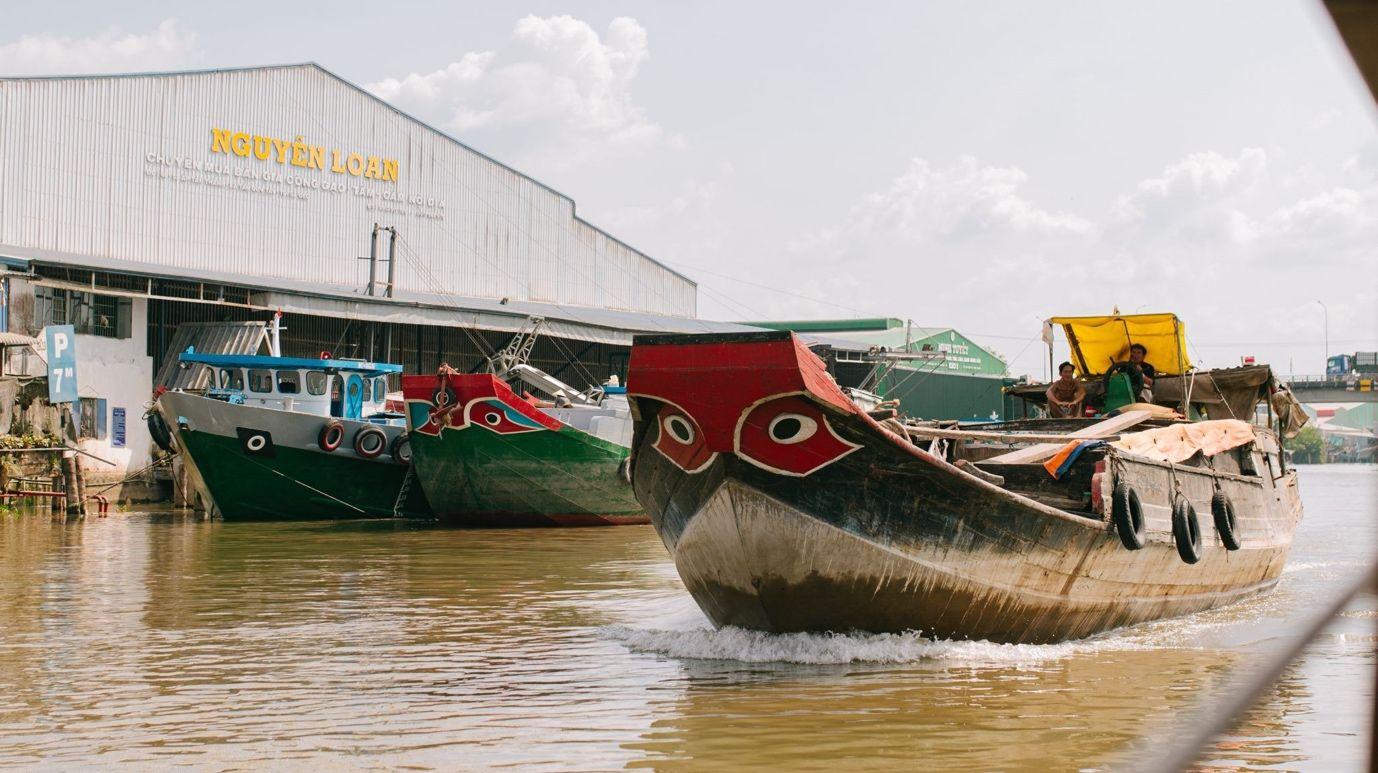
300 years beside a river
Long before overland roads connected the towns, the Tien River took on that task. It carried farm produce, carried people, and carried stories across the Mekong Delta, shaping how communities formed and interacted over the centuries.
This is the foundation of the merchant-river culture, a culture built upon the water itself, where buying, selling and living happened side by side, inseparable. It was not fixed in one place. It moved, adapted, and followed the flow of the water, as it has for the past three centuries.
The river named Sa Giang
Right in front of the riverside houses is the water that locals fondly call by a lovely name: the Sa Giang River. 'Right in front of my house there is a river flowing past,' a riverside resident recounted, 'that is the Sa Đéc river, with the lovely name Sa Giang.' For those who have lived long by the water, that name carries an attachment deeper than any administrative title.
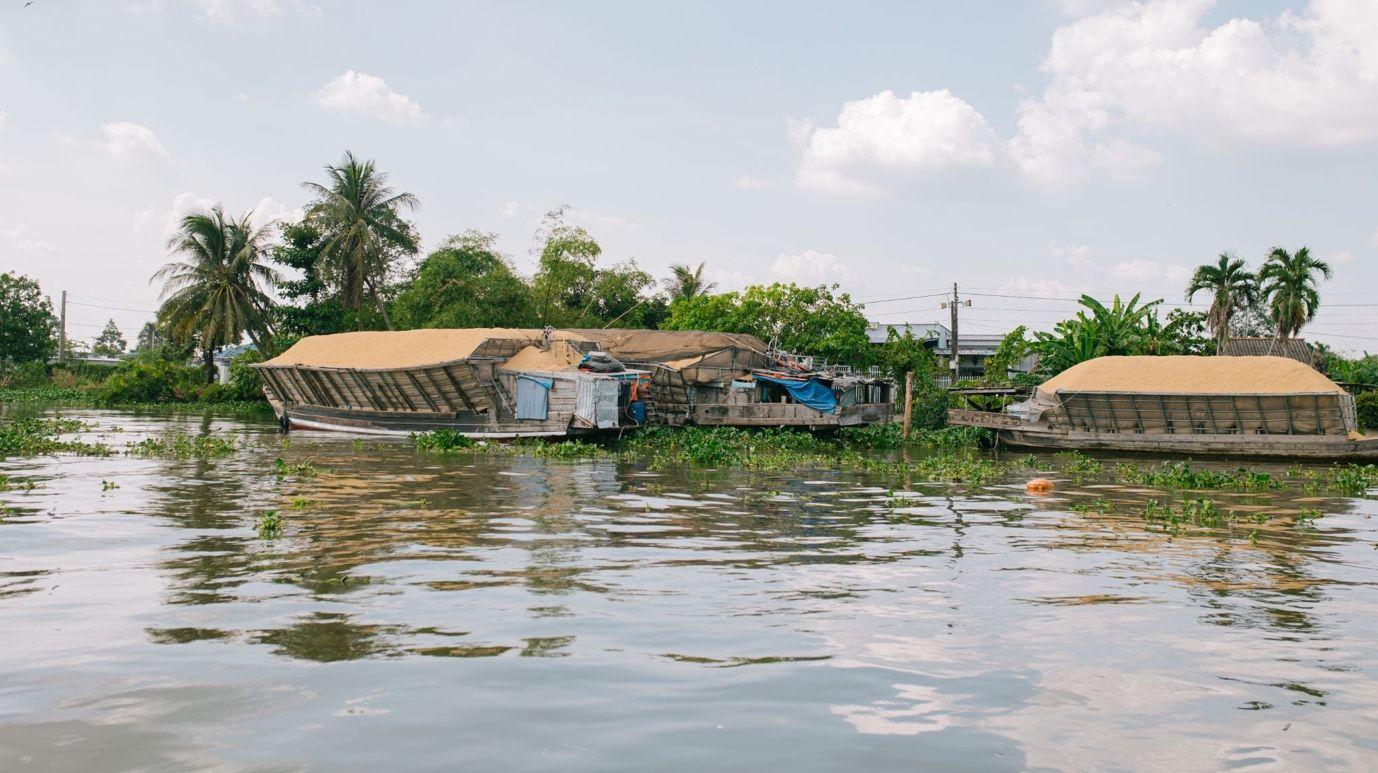
On the official inland-waterway map, the stretch of river flowing through Sa Đéc is part of the Lấp Vò – Sa Đéc Canal, a Class III waterway more than 51 km long, crossing the three provinces of Vĩnh Long, Đồng Tháp and An Giang to link the Tien River with the Hau River. It is considered one of the most important inland waterways in the Mekong, with an average of more than 300 boat movements each day and night, carrying everything from building materials, farm produce and aquatic products to flowers and ornamental plants.
On that river, the economy develops along two parallel lines: one tied to rice, the other to flowers and ornamental plants - two rhythms of life coexisting on the same water, complementing each other across generations of merchants.
Boats carrying farm produce pass endlessly all day, turning the river into a true lifeline, not merely a geographic boundary dividing two banks.
Landmarks along the journey
The Rotating Iron Bridge (Cầu Sắt Quay) appears as a striking crossing point - both a way across the river and a reminder of how the town has connected land and water for more than a century. The bridge was built by the French in 1888, with a technique fairly advanced for its time: the central span could rotate sideways to make way for large boats. Later, when the need to rotate was no longer necessary, the bridge was completely rebuilt in iron - losing its rotating function but keeping the name tied to an era when water transport was the lifeblood of the whole town.
A little further on, the Sa Đéc Cao Đài Holy See (108/2A, hamlet 1, Lê Lợi, Ward 3) adds another layer of depth to the journey, showing that spiritual life still exists alongside the bustling daily trade on the river.
Along both banks, walkways and small stops create the necessary pauses, where visitors can step off the boat, observe up close, and reconnect with the land before returning to the water.

A rhythm of life that continues
Although roads today play a far larger role than before, the essence of that merchant-river way of life remains intact in the rhythm of those still bound to the water. 'Most guests who come here say Sa Đéc is very peaceful,' a simple observation that captures exactly what gives this whole land its distinctive appeal.
Experience the merchant-river culture with FME Travel
FME Travel suggests experiencing a boat trip along the stretch of river locals call Sa Giang, passing the century-old Rotating Iron Bridge, stopping at the Sa Đéc Cao Đài Holy See, and pausing at the riverside moorings to fully sense the merchant-river rhythm that still continues.
The ideal time to go out on the river is at dawn, when the boats begin a new day and mist still drifts lightly over the water. A guide or a local boatman accompanying you will help you understand more about the stories behind each stretch of river you pass.
Merchant-river culture: when a river becomes a way of life
The merchant-river culture is more than a memory of how things once worked in the past. It reflects the deep relationship between people and the land, shaped by constant movement, connection and exchange.
For travellers, it is a way to experience Sa Đéc beyond what can be seen on land - a slower, more attentive form of travel that values the depth of a cultural current over surface beauty.
An invitation from Sa Đéc
The river never stands still. Neither does the way of life built around it. To follow that river, even for just a brief moment, is a way to understand a very different way of living in this world.